
Find answers about emergency water removal, structural drying, fire and smoke cleanup, mold remediation, sewage cleanup, contents pack-out, cleaning, storage, insurance documentation, and reconstruction. This page contains 88 restoration FAQs.
Emergency Response & First Steps
What should I do first after discovering property damage?
Protect people first. Leave the affected area if there is fire, smoke, electrical danger, contaminated water, structural instability, or another immediate hazard. When it is safe to do so:
- Stop the source of damage if you can do so safely.
- Contact the appropriate emergency service, plumber, utility company, or roofer when needed.
- Take photos and short videos before moving or discarding damaged items.
- Call a qualified restoration company for an inspection and stabilization plan.
Do you provide 24/7 emergency restoration services?
Yes. United Fire & Water Damage provides emergency response for water, fire, smoke, storm, sewage, and other property losses. Response time depends on location, weather, road conditions, and current demand, but urgent calls are prioritized.
What information should I have ready when I call?
Helpful information includes the property address, the type of damage, when it started, whether the source is still active, which rooms are affected, and whether anyone is currently at risk. Insurance information is helpful but is not required to request emergency service.
Should I take photos before cleanup begins?
Yes, provided the area is safe to enter. Photograph the source, standing water, visible damage, affected contents, and each impacted room. Professional restorers should also document conditions before and during mitigation.
Can I begin cleaning before the restoration team arrives?
Small steps such as moving undamaged valuables away from a clean-water loss may be reasonable. Avoid disturbing soot, sewage, mold, wet ceilings, damaged electrical systems, or unstable materials. Improper cleanup can spread contamination or make some materials harder to restore.
What does emergency stabilization include?
Depending on the loss, stabilization may include water extraction, temporary roof covering, board-up, debris removal, containment, air filtration, structural shoring, temporary power coordination, or other steps needed to prevent additional damage.
Water Damage Restoration & Structural Drying
What should I do immediately after discovering water damage?
Shut off the water source if it can be done safely, avoid electrical hazards, move valuables away from standing water, document visible damage, and call for professional water mitigation. Fast action can reduce the amount of material that must be removed.
What types of water damage do you handle?
We handle residential and commercial losses involving burst pipes, supply-line failures, appliance overflows, slab leaks, roof leaks, plumbing backups, HVAC drain problems, storm intrusion, fire-suppression water, and other accidental water events.
What is water mitigation?
Water mitigation is the process of stopping additional damage and stabilizing the property. It can include inspection, extraction, moisture mapping, removal of unsalvageable materials, cleaning, antimicrobial application when appropriate, drying equipment, and daily monitoring.
What is the difference between water mitigation and water restoration?
Mitigation focuses on stopping damage and drying the structure. Restoration is the broader process of returning the property to its pre-loss function and appearance, which may include mitigation, contents work, repairs, and reconstruction.
How long does structural drying usually take?
Many water losses dry in approximately three to five days, but the actual timeline depends on the materials affected, how long the water was present, the size of the loss, weather conditions, contamination level, and access to wet building cavities. Drying should be based on documented moisture readings rather than a fixed number of days.
How do you know when my property is dry?
Technicians use moisture meters, thermo-hygrometers, moisture maps, and drying logs to compare affected materials with appropriate drying goals or unaffected reference materials. Equipment should remain until readings show that drying objectives have been achieved.
What equipment is used for water damage restoration?
Common equipment includes extraction units, air movers, commercial dehumidifiers, moisture meters, thermal imaging cameras, HEPA-filtered air scrubbers, negative-air machines, and specialty drying systems for floors, cabinets, walls, or hard-to-reach cavities.
What is moisture mapping?
Moisture mapping identifies and records where water traveled through floors, walls, ceilings, cabinets, insulation, and other materials. It helps define the scope of work, place equipment, monitor progress, and document the loss.
Can wet drywall be saved?
Sometimes. The decision depends on the water category, the amount of saturation, whether insulation is wet, the condition of the drywall, and how quickly drying begins. Drywall affected by sewage, long-term moisture, or significant deterioration may need to be removed.
Can hardwood floors be saved after water damage?
Many hardwood floors can be dried when work begins quickly and the boards have not suffered permanent damage. Specialty floor-drying systems may be used. Severe cupping, buckling, contamination, delamination, or prolonged saturation can make replacement necessary.
Can cabinets be dried without removing them?
In some cases, toe kicks, backs, or limited sections can be opened so air can reach wet cavities. Cabinet construction, contamination, swelling, delamination, and water trapped beneath the cabinets determine whether drying or removal is appropriate.
Should carpet be removed after water damage?
Carpet may be salvageable after a recent clean-water loss if it can be thoroughly extracted, cleaned, and dried. Carpet and pad affected by sewage, floodwater, prolonged saturation, or heavy contamination are commonly removed.
Can water travel farther than the visible stain?
Yes. Water can move beneath flooring, behind baseboards, inside wall cavities, through insulation, and into adjacent rooms. Professional inspection tools help locate hidden moisture that may not be visible from the surface.
Should I run fans or my HVAC system after water damage?
Household fans can spread contaminants when water is unsanitary or mold is present. HVAC operation can also distribute moisture, odor, or particles if the system or ductwork is affected. It is best to have the loss assessed before using fans or HVAC as a drying strategy.
Can I stay in my home during water damage restoration?
Often, yes, for smaller clean-water losses. Temporary relocation may be safer when there is sewage, extensive demolition, electrical risk, significant mold, excessive noise or heat from equipment, limited access to bathrooms or kitchens, or another condition that makes the property unsafe or impractical to occupy.
Can water damage cause mold?
Yes. Mold growth can begin when building materials remain damp, especially in Louisiana's warm and humid climate. Prompt extraction, controlled drying, and correction of the moisture source reduce the risk of mold growth.
Sewage Backups & Contaminated Water
What is the difference between Category 1, Category 2, and Category 3 water?
- Category 1 begins from a sanitary source, such as a clean supply line.
- Category 2 contains significant contamination and may cause illness if contacted or consumed.
- Category 3 is grossly contaminated water, including sewage and many rising-water floods.
Water quality can deteriorate over time or after contact with contaminated materials.
Do you clean up sewage backups?
Yes. Sewage losses may require containment, extraction, removal of porous materials, detailed cleaning, disinfection, air filtration, odor control, and structural drying. The exact scope depends on where the sewage traveled and which materials were affected.
Is it safe to remain in a home with a sewage backup?
Avoid the affected area and keep children, pets, and unprotected occupants away. Sewage can contain harmful microorganisms and other contaminants. Significant backups may require temporary relocation until cleanup and safety controls are in place.
Can carpet, drywall, and insulation be saved after sewage damage?
Highly porous materials directly affected by sewage are often removed because they can be difficult to clean and verify. Some nonporous or semi-porous materials may be cleaned and restored depending on their condition and the extent of contamination.
What should I do after a toilet overflow?
Stop the water source, avoid contact with contaminated water, keep people and pets away, and determine what caused the overflow. A simple overflow from the bowl may differ from a backup involving the drain or sewer line, so professional evaluation is recommended when water spreads beyond a small, easily cleaned area.
How are contaminated areas disinfected?
After bulk water and damaged materials are removed, remaining surfaces are physically cleaned and treated with appropriate products according to label directions. Cleaning, contact time, drying, and verification are all important; disinfectant alone does not replace removal of contamination.
Fire, Smoke, Soot & Odor Restoration
What should I do after a house fire?
Wait until fire officials say the property is safe to enter. Contact your insurance carrier, secure the property, avoid touching soot-covered items, do not operate affected appliances or HVAC equipment, and call a fire restoration company for emergency stabilization and documentation.
What is included in fire damage restoration?
Services may include board-up, roof tarping, water extraction, debris removal, structural cleaning, soot removal, contents inventory and cleaning, odor treatment, HVAC evaluation, corrosion control, demolition, and reconstruction.
What is the difference between fire damage and smoke damage?
Fire damage results from heat, flame, and combustion. Smoke damage includes airborne particles, soot, odor, and chemical residues that can travel far beyond the burned area and settle on surfaces, inside cabinets, in wall cavities, and throughout HVAC pathways.
Can smoke damage affect rooms that were not burned?
Yes. Smoke follows air movement and pressure differences, so soot and odor can spread into rooms with no direct flame damage. Closed doors may reduce damage, but they do not always prevent smoke infiltration.
Is soot safe to clean myself?
Improper cleaning can smear soot, set stains, damage finishes, and spread particles. Different types of soot require different methods. Avoid dry dusting, household vacuuming, or applying water-based cleaners until the residue and surface have been evaluated.
Can smoke odor be removed completely?
In many cases, yes. Successful odor removal requires cleaning or removing odor sources before deodorization. Depending on the loss, treatment may include HEPA filtration, thermal fogging, hydroxyl treatment, ozone in controlled unoccupied conditions, sealing, or other specialized methods.
Why does smoke odor return when the weather changes?
Heat and humidity can release odor compounds trapped in porous materials or concealed spaces. Recurring odor often indicates that a source was missed, a material was not fully cleaned, or residue remains in a cavity, HVAC component, or contents item.
Can clothing and textiles be cleaned after a fire?
Many garments, linens, draperies, and soft goods can be restored through specialized laundering, dry cleaning, or other textile-cleaning processes. Items should be evaluated before ordinary washing because heat or incorrect detergents can set some residues and odors.
Can furniture be restored after smoke damage?
Often. Restoration depends on the material, finish, construction, heat exposure, soot type, odor penetration, and replacement value. Upholstered furniture, wood furniture, leather, and antiques may each require different cleaning methods.
What happens to electronics after a fire?
Soot and combustion residues can be corrosive and may damage electronics over time. Do not power on affected devices until they have been evaluated. Some electronics can be professionally cleaned, while others may be unsafe or uneconomical to restore.
Why is water damage part of a fire restoration project?
Firefighting often leaves water in floors, walls, ceilings, insulation, and contents. Water extraction and structural drying may need to begin immediately, even while fire and smoke restoration planning is underway.
How long does fire restoration take?
The timeline can range from days for limited smoke cleaning to many months for a major structural fire. Safety inspections, engineering, permits, insurance approvals, contents handling, material availability, and the amount of reconstruction all affect the schedule.
Mold Remediation
How do I know if I may have mold?
Possible signs include visible growth, musty odor, ongoing humidity, condensation, previous leaks, recurring water stains, or building materials that remain damp. Mold can also be hidden behind walls, cabinets, flooring, or insulation.
What is the difference between mold removal and mold remediation?
Mold remediation is a controlled process that addresses the moisture source, limits the spread of particles, removes materials that cannot be effectively cleaned, cleans salvageable surfaces, filters the air, and verifies that the work area is ready for repair. Claims of removing every mold spore from a building are not realistic.
Do I need mold testing before remediation?
Not every project requires testing. When visible mold and the moisture source are clear, a qualified professional may be able to develop a scope without sampling. Testing can be useful when the source is uncertain, occupants have special concerns, documentation is needed, or an independent clearance assessment is requested.
Who should perform mold testing?
When testing or clearance is needed, using an independent qualified assessor can help separate evaluation from remediation. Louisiana licensing or regulatory requirements may apply depending on the project, property type, and scope.
What causes mold to grow indoors?
Mold needs moisture and a food source. Common causes include plumbing leaks, roof leaks, high indoor humidity, condensation, poor ventilation, HVAC issues, flooding, and building materials that were not completely dried after a water loss.
Can I clean mold with bleach?
Bleach is not a complete solution for many mold problems, especially on porous materials. Effective remediation requires correction of the moisture source, physical removal or cleaning of affected material, dust control, and proper drying. Mixing cleaning chemicals can also create dangerous fumes.
What is containment during mold remediation?
Containment separates the work area from unaffected spaces. Polyethylene barriers, sealed openings, pressure control, HEPA-filtered air machines, and controlled entry procedures may be used to reduce the spread of dust and mold particles.
Can I stay in the property during mold remediation?
It depends on the size and location of the work, the containment plan, access to essential rooms, and occupant sensitivities. Some projects can be isolated while the rest of the property remains occupied; others are better completed while occupants are temporarily away.
Will mold come back after remediation?
Mold can return whenever moisture returns. Proper remediation must be paired with repair of the leak, humidity control, adequate ventilation, and complete drying. The best prevention is keeping materials dry.
Is mold remediation covered by insurance?
Coverage depends on the policy and the cause of the moisture. Mold related to a covered sudden water loss may receive limited coverage, while mold caused by long-term leakage, humidity, or maintenance problems may be excluded. Review your policy and claim decision with your insurer or insurance professional.
Contents Pack-Out, Cleaning & Storage
What is a contents pack-out?
A pack-out is the organized removal of personal property from a damaged area so the building can be cleaned, dried, or repaired. Items are documented, packed, transported, and stored until they can be cleaned, returned, or otherwise resolved.
When is a pack-out necessary?
A pack-out may be recommended when contents block access to damaged materials, items need off-site cleaning, the property is unsafe, extensive reconstruction is required, or belongings need protection from dust, moisture, odor, or ongoing work.
How are my belongings inventoried?
Items are typically photographed, assigned inventory numbers, grouped by room or category, and tracked through packing, cleaning, storage, and return. Detailed inventory helps reduce loss and supports communication with the property owner and insurer.
Can I access my belongings while they are in storage?
Access may be possible with advance notice, depending on warehouse procedures and how the items are packed. Essential items should be identified before the pack-out whenever possible so they remain accessible.
Where are packed-out contents stored?
Contents are stored in a controlled, secure facility or designated storage area appropriate for the project. Storage methods vary based on item type, duration, cleaning status, environmental needs, and insurance authorization.
How long can my belongings remain in storage?
Storage commonly continues until the property is safe and ready for return. The timeline depends on repairs, reconstruction, insurance decisions, and the owner's availability. Storage charges and authorization should be reviewed throughout longer projects.
What types of contents can be cleaned after water or fire damage?
Potentially restorable items include furniture, clothing, linens, dishes, decor, books, documents, artwork, electronics, tools, and household goods. The restoration decision depends on contamination, material, condition, sentimental value, replacement cost, and available cleaning methods.
What is the difference between salvageable and non-salvageable contents?
Salvageable items can reasonably be cleaned, deodorized, dried, or repaired. Non-salvageable items are unsafe, permanently damaged, prohibited from restoration, or more costly to restore than replace. The final decision may involve the owner, restoration company, specialist, and insurer.
How are non-salvageable items documented?
Items should be photographed and listed with identifying information before disposal whenever conditions allow. Owners should avoid discarding significant damaged property before documentation and insurer review unless the item creates an immediate health or safety hazard.
Can important documents and photographs be restored?
Many paper records, books, photographs, and documents can be stabilized or restored using specialty drying and cleaning methods. Quick action is important. Wet paper items should be handled as little as possible until a restoration plan is established.
What is a pack-back?
A pack-back is the organized return of cleaned and stored belongings after repairs are complete. Items are checked against the inventory and placed in the appropriate rooms or agreed locations.
Should I separate valuable or sentimental items during a pack-out?
Yes. Identify jewelry, cash, medications, legal documents, firearms, family heirlooms, and irreplaceable items before packing begins. Some items should remain under the owner's direct control or require special handling and documentation.
Reconstruction & Repairs
Can United Fire & Water Damage rebuild after mitigation?
Yes. Our team can coordinate repairs and reconstruction after water, fire, mold, or storm mitigation, including drywall, insulation, paint, trim, flooring, cabinetry, roofing, and other damaged building components.
What is the difference between emergency mitigation and reconstruction?
Emergency mitigation stops or limits additional damage. Reconstruction begins after the property is stable and includes repairing or replacing damaged building materials so the home or business can return to normal use.
When can reconstruction begin?
Repairs generally begin after demolition is complete, the structure is dry, contamination concerns are resolved, the scope is approved, and required permits or material selections are in place. Some planning and estimating can begin while mitigation is still underway.
Will I have a project manager during reconstruction?
Yes. A project manager or designated point of contact coordinates the approved scope, schedule, trades, materials, change orders, and communication. Contact roles may differ between mitigation and reconstruction phases.
Can I upgrade materials during insurance repairs?
Usually. Insurance generally addresses covered repairs using comparable materials, while the owner may choose upgrades and pay the difference in cost. Upgrade selections should be documented before materials are ordered or installed.
What can delay a reconstruction project?
Common delays include permitting, engineering, hidden damage, material backorders, change orders, owner selections, specialty trades, insurer review, mortgage-company payment procedures, and weather. Clear decisions and regular communication help reduce avoidable delays.
What happens if hidden damage is discovered during repairs?
The work may pause in that area while the additional damage is documented and a revised scope or change order is prepared. When insurance is involved, the new condition may need to be reviewed before related work continues.
Commercial, Storm & Large-Loss Restoration
Do you handle commercial water and fire damage?
Yes. We assist offices, retail properties, multifamily buildings, restaurants, schools, healthcare facilities, industrial properties, and other commercial sites with emergency mitigation, contents handling, cleaning, temporary stabilization, and reconstruction.
Can restoration work be phased so my business can stay open?
When conditions allow, work can be planned in zones or phases to reduce interruption. Safety, contamination control, utilities, customer access, noise, odor, and local requirements must be considered before occupied operations continue.
Do you create emergency response plans for businesses?
Pre-loss planning can document emergency contacts, shutoff locations, critical equipment, building access, priority areas, vendors, and communication procedures. A current response plan can save time when a property loss occurs.
Do you handle hurricane, wind, and freeze damage?
Yes. Services may include emergency board-up, temporary roof protection, water extraction, structural drying, debris removal, contents protection, mold remediation, and repairs after hurricanes, severe storms, wind-driven rain, and freezing-pipe events.
What is the difference between flood damage and storm water intrusion?
Flood generally refers to rising surface water that enters a property and is often addressed under a separate flood policy. Wind-driven rain or water entering through storm-created openings may be handled differently under a property policy. Coverage depends on the cause and policy language.
Can you respond to multiple properties after a major storm?
We can coordinate resources for residential, commercial, and portfolio losses, but capacity and response times depend on storm severity, access, utility conditions, and regional demand. Property owners and managers should report losses as early as possible.
Insurance, Estimates & Billing
Will homeowners insurance cover water damage?
Many policies cover sudden and accidental water damage, but exclusions, limits, deductibles, and endorsements vary. Long-term leakage, maintenance problems, groundwater, and flood may be treated differently. Only the insurer can make the final coverage decision.
Is fire and smoke damage covered by insurance?
Fire and smoke damage are commonly covered under property policies, subject to the policy's terms, limits, exclusions, and deductible. Additional living expense, contents, code upgrades, debris removal, and detached structures may have separate provisions or limits.
Do you work with insurance adjusters?
Yes. We can provide photographs, moisture documentation, inventories, drying records, scopes, estimates, invoices, and other project information. We communicate about the work performed, while coverage decisions remain between the policyholder and insurer.
Do I have to use the contractor recommended by my insurance company?
Property owners can generally select the restoration contractor they prefer, subject to their policy, contract, mortgage requirements, and applicable law. Ask questions about experience, licensing, documentation, communication, and who is responsible for payment before authorizing work.
Do I have to pay my insurance deductible?
The deductible is normally the policyholder's responsibility under the insurance contract. Deductible requirements should be confirmed with the insurer, and any payment arrangement should be clearly documented.
Do you bill the insurance company directly?
Billing arrangements vary by project. We may send estimates, invoices, and supporting documents to the insurer, but the property owner remains responsible under the service agreement unless another written payment arrangement applies.
What if the insurance estimate is lower than the restoration estimate?
Differences can result from missing damage, different measurements, pricing, material assumptions, labor steps, equipment duration, code requirements, or the need for specialty work. The estimates can be compared line by line and additional documentation may be submitted for review.
What is a supplemental insurance estimate?
A supplement is a request for review of additional work or cost that was not included in an earlier estimate. It may be supported by photographs, measurements, invoices, expert reports, code information, moisture records, or documentation of hidden damage.
United Fire & Water Damage Services
What restoration services does United Fire & Water Damage provide?
We provide emergency water mitigation, fire and smoke restoration, soot and odor cleaning, mold remediation, sewage cleanup, contents pack-out and cleaning, secure storage, pack-back, commercial restoration, storm response, and reconstruction.
What areas does United Fire & Water Damage serve?
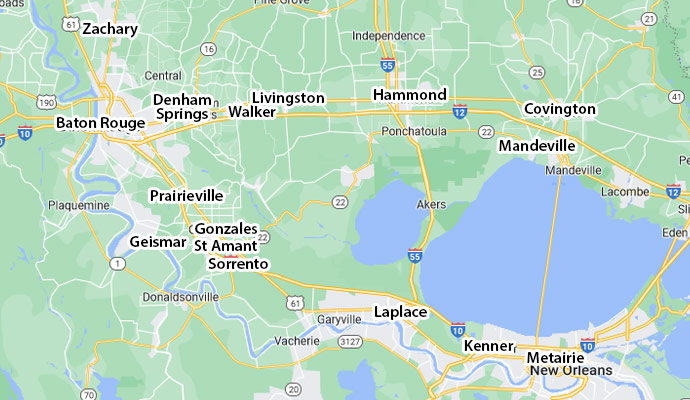
We serve Baton Rouge and many surrounding Louisiana communities, including portions of the Capital Region, Livingston Parish, Ascension Parish, the Northshore, Hammond area, River Parishes, and Greater New Orleans. Call to confirm availability for your property.
Do you handle both residential and commercial properties?
Yes. We work in homes, apartments, offices, retail spaces, restaurants, schools, industrial buildings, healthcare properties, multifamily communities, and other occupied or vacant structures.
Why use one company for mitigation, contents, and reconstruction?
Using one coordinated team can reduce handoffs, keep documentation in one place, improve scheduling between phases, and give the owner a clearer path from emergency response through final repairs.
What sets United Fire & Water Damage apart?
- 24/7 emergency response
- Local knowledge of Louisiana buildings, weather, and humidity
- Documented mitigation and structural drying
- Contents inventory, cleaning, storage, and pack-back
- Communication with owners, property managers, and insurance representatives
- Reconstruction available after mitigation