Fire Damage Deodorization in Baton Rouge, LA
Smoke odor after a fire can remain in walls, ceilings, flooring, furniture, clothing, cabinets, contents, and other materials long after the flames have been extinguished. United Fire & Water provides professional fire damage deodorization in Baton Rouge and throughout Southeast Louisiana.
Effective deodorization is not simply a matter of covering smoke odor with fragrance. Fire restoration typically begins by identifying and addressing the smoke, soot, damaged materials, and contaminated contents that are producing the odor.
Once those sources have been addressed, professional cleaning, air filtration, contents treatment, and specialized deodorization methods may be used according to the conditions of the loss.
United Fire & Water has been serving Louisiana since 2005. Emergency fire and smoke damage restoration is available 24 hours a day, 7 days a week.
Does Your Property Still Smell Like Smoke After a Fire?
United Fire & Water can evaluate smoke and soot contamination, identify odor sources, clean affected materials and contents, and incorporate professional deodorization into the fire restoration process.
What Is Fire Damage Deodorization?
Fire damage deodorization is the process of addressing persistent odors created by smoke, soot, combustion residue, and fire-damaged materials.
Deodorization is usually not a single treatment. It may be one part of a larger fire restoration process that includes source removal, detailed cleaning, contents restoration, air filtration, HVAC evaluation, and reconstruction.
The goal is to identify and address the materials or residues responsible for the odor rather than simply masking the smell.
Fire Deodorization vs. Smoke Odor Removal
Smoke odor removal describes the overall objective: addressing unwanted smoke odor throughout the structure and contents.
Deodorization is one part of that process. Professional deodorization techniques may be used after smoke residue, soot, damaged materials, and other odor sources have been identified and cleaned or removed.
This is why simply spraying an air freshener or applying fragrance to a smoke-damaged property does not provide the same service as professional fire restoration.
Why Does Smoke Odor Remain After a Fire?
Smoke contains extremely small particles and combustion residues capable of traveling far beyond the area where the fire occurred.
These residues may settle on surfaces or penetrate porous materials throughout the property.
Drywall & Ceilings
Smoke residue may settle on painted surfaces, drywall, textured ceilings, trim, and other structural finishes.
Furniture & Fabrics
Upholstery, mattresses, curtains, rugs, clothing, and other porous materials may retain smoke residue and odor.
Cabinets & Wood
Cabinetry, framing, unfinished wood, shelving, and other materials may absorb smoke-related odors.
Flooring
Carpet, hardwood, laminate, rugs, and other flooring surfaces may collect smoke residue.
Contents
Clothing, artwork, household goods, documents, business inventory, and personal belongings may require individual evaluation.
HVAC Components
Smoke may enter portions of a heating and cooling system and contribute to continued odor or redistribution of residue.
Our Fire Damage Deodorization Process
The appropriate process depends on the type of fire, materials that burned, extent of smoke migration, affected surfaces, contents, and building conditions.
Identify Odor Sources
The affected structure and contents are evaluated for smoke, soot, damaged materials, and possible odor sources.
Remove & Clean
Materials that cannot be restored may be removed, while salvageable surfaces and contents are professionally cleaned.
Deodorize
Appropriate professional deodorization methods may be selected according to the materials, remaining odor, and conditions of the property.
Evaluate & Restore
The property is reevaluated, and remaining structural repairs or reconstruction can proceed after cleanup is complete.
Successful Deodorization Starts With the Odor Source
Persistent smoke odor can remain when soot, smoke residue, burned materials, contaminated insulation, damaged contents, or other odor-producing materials remain inside the property.
For that reason, professional deodorization often begins with detailed cleaning and removal of materials that cannot appropriately be restored.
Applying a deodorizing product without addressing the source may provide only temporary odor control.
Structural Smoke & Soot Cleaning Before Deodorization
Walls, ceilings, framing, cabinets, doors, trim, fixtures, flooring, and other surfaces may hold smoke and soot residue.
The appropriate cleaning method depends on the type of residue, surface material, condition of the material, and severity of exposure.
Different fires can create different types of residue, which is why testing and professional evaluation may be appropriate before extensive cleaning begins.
Deodorizing Smoke-Damaged Contents
Fire odor does not affect only the building. Personal property and business contents may also retain smoke and soot residue.
Depending on the material and extent of contamination, contents may be cleaned on-site or removed through a professional pack-out.
✓ Clothing and textiles
✓ Upholstered furniture
✓ Window treatments
✓ Rugs and soft goods
✓ Artwork and decorative items
✓ Household belongings
✓ Business contents
✓ Other salvageable personal property
Contents services can include inventory, pack-out, professional cleaning, deodorization, specialty cleaning, storage, and return after the structure is ready.
Air Filtration During Fire Restoration
Air filtration can be an important part of certain fire and smoke restoration projects, especially while soot-contaminated materials are being cleaned or removed.
Professional air-filtration equipment may be used to help control airborne particles while structural cleaning, demolition, or contents work is underway.
Air filtration works together with source removal and surface cleaning; it does not replace those procedures.
Ozone Treatment After Fire Damage
Ozone may be one of several specialized deodorization methods considered on certain fire restoration projects.
It is not appropriate for every property or every material. When used, ozone treatment should be performed by trained restoration professionals as part of a controlled deodorization process.
Ozone treatment areas must be managed according to the equipment, treatment protocol, occupancy conditions, and appropriate safety procedures.
UFW has used ozone treatment on qualifying fire restoration projects for smoke-affected structures and salvageable contents.
Why Deodorization Equipment Is Not the First Step
Specialized odor-treatment equipment works best as part of a complete restoration plan.
If heavily smoke-contaminated surfaces, burned materials, soot residue, or affected contents remain untreated, the underlying odor source may still remain.
This is why professional fire restoration typically prioritizes:
✓ Damage assessment
✓ Soot evaluation
✓ Source removal
✓ Structural cleaning
✓ Contents cleaning
✓ Air filtration
✓ HVAC evaluation
✓ Deodorization as appropriate
Smoke Odor & HVAC Systems
Smoke and soot can enter heating and cooling systems, particularly when the HVAC system was operating during or after a fire.
A contaminated HVAC system may contribute to continued smoke odor or distribute residue into areas that were otherwise cleaned.
Not every fire requires duct cleaning or HVAC replacement. The system should be evaluated based on actual conditions and the extent of contamination.
Real Fire Deodorization Experience in Baton Rouge
United Fire & Water has completed significant Baton Rouge fire restoration projects involving whole-home smoke contamination, contents deodorization, structural cleaning, and odor-control procedures.
Whole-Home Smoke & Soot Contamination
On one Baton Rouge fire project, smoke and soot affected both levels of the residence, including every room and the garage.
Salvageable clothing and window treatments were included in a professional contents pack-out, with ozone treatment and dry cleaning incorporated into the contents restoration process.
Structural surfaces were scheduled for detailed cleaning, and specialized deodorization procedures were incorporated into the overall fire restoration plan.
Dryer Fire With Widespread Smoke Odor
Another Baton Rouge residence experienced a dryer fire that spread smoke and soot contamination throughout both floors of the home.
The restoration plan included a full contents pack-out, ozone deodorization for appropriate salvageable textiles, professional dry cleaning, off-site contents cleaning, structural soot cleaning, selective demolition, and HVAC remediation.
Commercial Fire & Smoke Deodorization
Commercial smoke odor problems can affect large occupied areas, tenant spaces, inventory, furniture, equipment, HVAC systems, and business operations.
United Fire & Water provides fire and smoke restoration for commercial properties throughout Louisiana, including professional odor-control procedures when appropriate.
✓ Office buildings
✓ Restaurants
✓ Retail properties
✓ Multifamily buildings
✓ Healthcare facilities
✓ Schools and institutions
✓ Warehouses
✓ Industrial properties
Fire Deodorization & Insurance Documentation
Fire restoration projects frequently involve a property insurance claim.
United Fire & Water can document smoke and soot conditions, affected materials, contents services, structural cleaning, deodorization procedures, equipment usage, material removal, and reconstruction work performed.
When authorized, we can communicate restoration-related information with appropriate parties involved in the project.
Insurance coverage, policy interpretation, deductibles, limits, exclusions, and claim determinations remain the responsibility of the insurance carrier.
Deodorization Before Reconstruction
Significant fire losses may require damaged drywall, insulation, flooring, ceilings, cabinetry, framing, or other building materials to be removed and replaced.
Smoke and odor contamination should be addressed appropriately as part of the restoration process before final finishes and repairs are completed.
United Fire & Water can provide reconstruction after fire mitigation, structural cleaning, and deodorization are complete.
Related Fire & Smoke Restoration Services
Why Choose United Fire & Water?
Serving Louisiana Since 2005
Extensive experience restoring residential and commercial fire and smoke damage throughout Louisiana.
24/7 Emergency Response
Emergency fire and smoke restoration is available day or night.
Professional Deodorization
Odor treatment is integrated with source removal, cleaning, contents restoration, and fire mitigation.
IICRC-Certified Technicians
Trained restoration professionals evaluate smoke, soot, odor, contents, and structural damage.
Contents Restoration
Salvageable contents may be inventoried, packed out, professionally cleaned, deodorized, stored, and returned.
Cleanup Through Reconstruction
UFW can manage fire mitigation, contents services, structural cleaning, deodorization, and property repairs.
Fire Damage Deodorization Across Southeast Louisiana
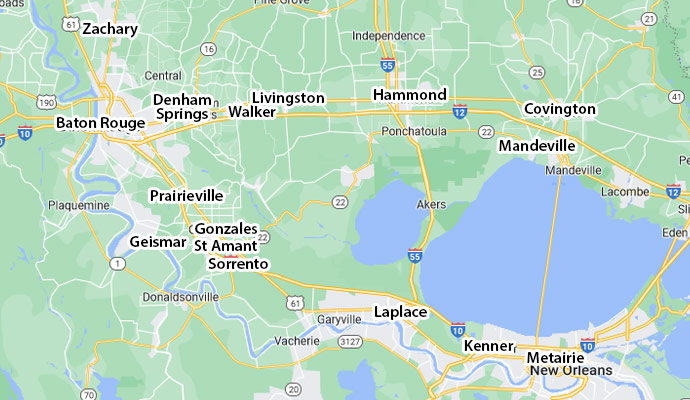
United Fire & Water provides professional fire and smoke restoration throughout Greater Baton Rouge, Greater New Orleans, the Northshore, and surrounding Southeast Louisiana communities.
Fire Damage Deodorization FAQs
What is fire damage deodorization?
Fire damage deodorization is part of the restoration process used to address persistent odors associated with smoke, soot, combustion residue, and fire-damaged materials.
Can you just spray something to remove smoke odor?
Professional smoke odor restoration usually requires more than fragrance or masking products. Smoke residue and damaged materials that are producing odor should first be identified, cleaned, or removed as appropriate.
Why does my house still smell like smoke after cleaning?
Smoke odor may remain if soot or combustion residue is still present on structural materials, contents, fabrics, cabinets, flooring, HVAC components, or other surfaces.
Is ozone used for smoke odor removal?
Ozone may be considered as one specialized deodorization method on certain qualifying fire restoration projects. It is not appropriate for every situation and should be used by trained professionals as part of a controlled treatment process.
Can smoke odor be removed from clothing and furniture?
Many smoke-affected items may be candidates for professional cleaning and deodorization. Whether an item can be restored depends on its material, condition, residue, odor penetration, and extent of fire exposure.
Does HVAC contamination affect smoke odor?
It can. Smoke and soot may enter HVAC components, particularly if the system operated during or after the fire. The system should be evaluated according to the conditions of the loss.
Does deodorization happen before or after soot cleaning?
Deodorization is typically incorporated into the larger restoration process after odor sources have been identified and appropriate cleaning or material removal has begun.
Can United Fire & Water deodorize commercial properties?
Yes. United Fire & Water provides commercial fire and smoke restoration, including professional odor-control and deodorization procedures when appropriate.
Do you provide 24-hour fire restoration in Baton Rouge?
Yes. United Fire & Water provides 24/7 emergency fire and smoke damage restoration throughout Baton Rouge and surrounding Southeast Louisiana communities.
Need Professional Fire Damage Deodorization?
If smoke odor remains in your home, business, furniture, clothing, contents, or building materials after a fire, contact United Fire & Water.
Our fire restoration team can address smoke and soot contamination, contents, structural cleaning, air filtration, deodorization, and reconstruction as appropriate for the property.
Emergency fire and smoke damage restoration is available 24 hours a day, 7 days a week.