Fire & Smoke Damage Restoration FAQs in Louisiana
Answers to Common Questions After a Home or Commercial Fire
A fire can leave behind much more than visible structural damage. Smoke, soot, odors, firefighting water, and airborne residues can affect walls, ceilings, flooring, furniture, contents, HVAC systems, and areas far beyond where the fire originated.
United Fire & Water provides professional fire and smoke damage restoration, emergency board-up services, contents restoration, smoke and soot cleanup, odor removal, water extraction, structural drying, air duct cleaning, and reconstruction for residential and commercial properties throughout Southeast Louisiana.
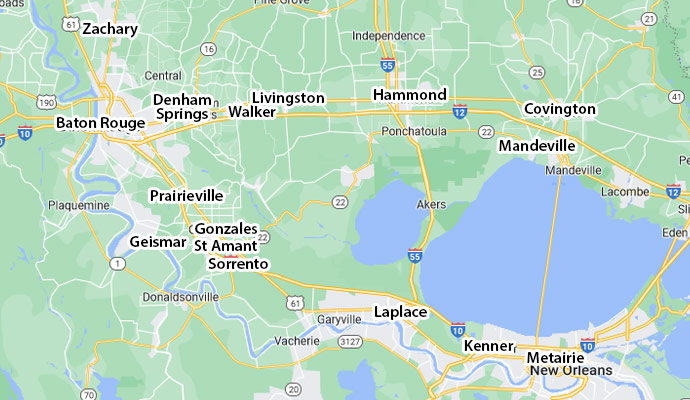
Our primary service areas include Baton Rouge, Denham Springs, Prairieville, Gonzales, Zachary, Central, Walker, New Orleans, Metairie, Kenner, Gretna, LaPlace, Luling, Covington, Mandeville, Madisonville, Slidell, Hammond, Ponchatoula, and surrounding communities.
If you have an immediate fire or smoke damage restoration need, call 225-401-6568 or contact United Fire & Water online.
Frequently Asked Questions About Fire & Smoke Damage
Can I go back into my home after a fire?
Do not re-enter a fire-damaged building until the appropriate authorities or qualified professionals have determined that it is safe. Fire can damage electrical systems, structural components, ceilings, floors, stairs, roofing, and other areas that may not appear dangerous from the outside.
Smoke, soot, chemicals, and other contaminants may also create conditions that require additional precautions.
Can I go inside briefly to get important belongings?
Only enter the property after it has been cleared for safe entry. If the building is not considered safe, do not enter simply to retrieve clothing, documents, medications, valuables, or other belongings.
When appropriate, restoration professionals may be able to help locate, document, and retrieve important items as part of the contents-restoration process.
Can I stay in my home after a fire?
That depends on the extent of the fire, smoke, water, electrical, structural, and air-quality conditions. Even when fire damage appears limited to one area, smoke and soot may have traveled into other rooms or building systems.
Occupancy decisions should be based on the actual condition of the property and guidance from the appropriate authorities and qualified professionals, rather than simply whether the house appears livable.
What happens to my furniture and belongings after a fire?
Contents are typically evaluated based on the type of item, extent of fire or smoke exposure, type of residue present, and condition of the property.
Some belongings may be cleaned and restored on-site. Others may require a contents pack-out so they can be inventoried, transported, cleaned, deodorized, stored, and returned after the property is ready.
Items that cannot be safely or reasonably restored may need to be documented before disposal.
Can smoke-damaged belongings be saved?
Many items affected by smoke or soot may be candidates for professional cleaning. The appropriate cleaning method depends on the material, type of residue, amount of contamination, and value or condition of the item.
Furniture, clothing, household goods, electronics, documents, artwork, and other specialty contents may require different restoration techniques.
Does United Fire & Water provide emergency board-up services?
Yes. United Fire & Water provides emergency board-up and property stabilization after qualifying fire losses.
Damaged windows, doors, roofs, or other openings may need to be temporarily secured to help protect the property from weather, unauthorized access, and additional damage.
Should I clean soot from walls myself?
In many cases, it is better to have soot evaluated before attempting significant cleaning. Different fires create different types of residue, and the wrong cleaning method can spread soot, drive residue deeper into porous materials, or permanently damage some finishes.
Professional fire restoration technicians select cleaning methods based on the type of residue and material being cleaned.
Why does my house still smell like smoke after the fire is out?
Smoke odor can remain because microscopic residues may settle on surfaces or penetrate porous materials such as drywall, wood, insulation, upholstery, carpet, clothing, and other contents.
Effective odor control usually begins with removing the source of contamination and thoroughly cleaning affected materials. Additional air filtration and deodorization techniques may then be used based on the conditions of the loss.
Can smoke odor be completely removed?
Many smoke odors can be significantly reduced or eliminated through proper source removal, detailed cleaning, air filtration, and professional deodorization.
The appropriate process depends on what burned, the extent of smoke migration, the materials affected, and how long residues remained on the property.
What is soot?
Soot is a residue created by incomplete combustion. Its composition can vary depending on what materials burned and the conditions of the fire.
Soot may settle on walls, ceilings, fixtures, furniture, contents, and other surfaces throughout a building, including areas that were not directly exposed to flames.
Can smoke damage spread to rooms where there was no fire?
Yes. Smoke can move through hallways, wall openings, stairwells, HVAC pathways, and other parts of a building. Rooms located away from the original fire may still require inspection and cleaning if smoke or soot migrated into those areas.
Should I run my air conditioner after a fire?
Avoid operating the HVAC system until it has been evaluated when smoke, soot, or airborne contamination may have entered the system. Running the system could distribute contaminants to additional areas of the building.
Will my air ducts need to be cleaned after a fire?
Not every fire requires air duct cleaning. The HVAC system should be evaluated based on whether it was operating during the fire, whether smoke entered the system, and whether visible residue or contamination is present.
When appropriate, United Fire & Water can provide air duct cleaning after fire and smoke damage .
Why is there water damage after a fire?
Fire hoses, sprinkler systems, and other firefighting efforts can introduce significant amounts of water into a building. That water may travel into flooring, walls, ceilings, insulation, cabinets, and other materials.
United Fire & Water can provide water extraction and structural drying as part of the fire restoration process.
How quickly should water damage from firefighting be addressed?
Water damage should be evaluated as soon as practical once the property has been cleared for restoration work. Moisture may continue migrating into building materials even after the fire itself has been extinguished.
What is the fire damage restoration process?
The restoration process depends on the size and type of fire, but may include emergency stabilization, board-up, water extraction, structural drying, contents protection, debris removal, smoke and soot cleaning, odor control, demolition of unsalvageable materials, and reconstruction.
How long does fire damage restoration take?
There is no single timeline for every fire loss. A small smoke-cleaning project may be completed relatively quickly, while a significant structural fire requiring contents restoration, demolition, drying, and reconstruction can take considerably longer.
The timeline depends on the extent of damage, materials affected, required repairs, access to the property, and other project conditions.
Will damaged drywall and flooring have to be removed?
Not necessarily. Materials are evaluated based on fire damage, smoke contamination, water exposure, structural condition, and whether they can be appropriately restored.
Materials that cannot be safely or effectively restored may require removal and replacement.
Does United Fire & Water provide reconstruction after a fire?
Yes. United Fire & Water can provide reconstruction and property repairs following the mitigation and cleanup phases of a fire loss.
Repairs may include damaged drywall, flooring, ceilings, cabinets, insulation, framing, roofing, and other building components.
Can mold become a problem after a fire?
Mold may become a concern when water used during firefighting or other moisture remains in building materials. Proper extraction, drying, dehumidification, and moisture monitoring help address conditions that can contribute to microbial growth.
United Fire & Water also provides professional mold remediation when appropriate.
Does homeowners insurance cover fire damage restoration?
Many property insurance policies provide some form of fire-damage coverage, but coverage, limits, exclusions, deductibles, contents coverage, and additional living expense provisions vary by policy.
Property owners should report the loss to their insurance carrier and review the terms of their individual policy. Coverage determinations and policy interpretation remain the responsibility of the insurance carrier.
Can United Fire & Water help document my fire damage claim?
United Fire & Water can document affected areas, restoration activities, equipment usage, contents, and work performed.
We can also communicate restoration-related information with authorized parties as part of the project.
Do you restore commercial properties after a fire?
Yes. United Fire & Water provides commercial fire and smoke damage restoration for offices, restaurants, retail properties, multifamily buildings, warehouses, schools, healthcare facilities, industrial properties, and other commercial buildings.
Do you provide 24/7 fire damage restoration?
Yes. United Fire & Water provides 24/7 emergency property restoration response throughout our Southeast Louisiana service area.
Fire & Smoke Damage Restoration Throughout Southeast Louisiana
United Fire & Water provides residential and commercial fire damage cleanup throughout our primary Southeast Louisiana markets.
Baton Rouge Area
Our Baton Rouge-area restoration team serves Baton Rouge, Denham Springs, Prairieville, Gonzales, Zachary, Central, Walker, Shenandoah, and surrounding communities.
Greater New Orleans
We provide fire and smoke damage restoration throughout New Orleans, Metairie, Kenner, Gretna, LaPlace, Luling, and surrounding Greater New Orleans communities.
Covington & the Northshore
Our Northshore service area includes Covington, Mandeville, Madisonville, Slidell, Hammond, Ponchatoula, and surrounding communities.
Visit our Louisiana service area to learn more about additional communities served by United Fire & Water.
Have More Questions About Fire or Smoke Damage?
If your home or business has experienced fire, smoke, soot, odor, or firefighting-related water damage, United Fire & Water is available to help.
24/7 Emergency Fire Damage Response: 225-401-6568