Mold Inspection & Mold Assessment in Baton Rouge, LA
If you smell a persistent musty odor, have experienced a plumbing or roof leak, notice suspicious discoloration, or are concerned about hidden moisture in your home or business, a professional mold inspection can help determine what is happening and what should happen next.
United Fire & Water provides professional mold inspection and mold assessment services in Baton Rouge and throughout Greater Baton Rouge. Our inspections focus not only on visible signs of mold, but also on the moisture and water-related conditions that may be contributing to microbial growth.
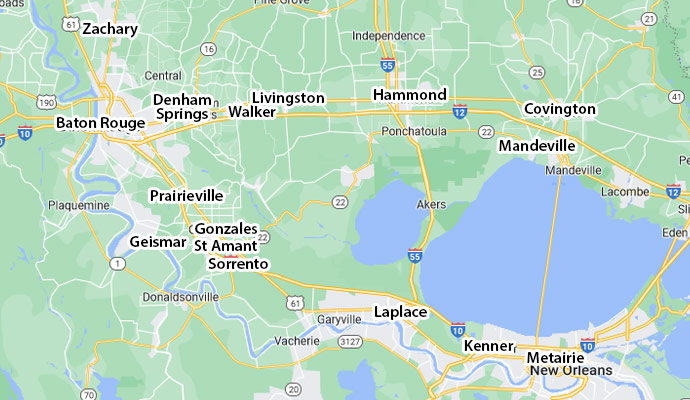
We serve homeowners, property managers, business owners, buyers, sellers, landlords, and commercial property owners throughout Baton Rouge, Denham Springs, Prairieville, Gonzales, Zachary, Central, Walker, and surrounding communities.
Concerned About Mold in Your Property?
You do not have to know for certain that you have mold before calling. If something looks, smells, or feels wrong — or your property has experienced previous water damage — an inspection can be the appropriate place to start.
Call 225-401-6568 Request a Mold InspectionWhat Is a Professional Mold Inspection?
A mold inspection is an evaluation of a home or building for evidence of mold growth, excessive moisture, past water intrusion, and conditions that may contribute to mold development.
A proper mold investigation is about more than simply looking for visible spots on a wall. Mold growth is often associated with a moisture source, and water can travel behind walls, beneath flooring, above ceilings, around plumbing fixtures, inside cabinets, and into other areas that may not be immediately visible.
Because of this, a mold inspection may also involve evaluating the property for signs of leaks, elevated moisture, condensation, humidity problems, previous water damage, or other conditions that could be contributing to the problem.
Signs You May Need a Mold Inspection
Musty or Unusual Odors
A persistent musty smell may be associated with damp materials or microbial growth, even when nothing unusual is immediately visible.
Previous Water Damage
A past plumbing leak, roof leak, appliance failure, overflow, storm event, or other water loss may leave hidden moisture or affected building materials behind.
Visible Discoloration or Growth
Dark spots, staining, unusual surface growth, or recurring discoloration on drywall, ceilings, cabinets, flooring, or other materials may warrant further investigation.
Hidden Moisture Concerns
Moisture can sometimes remain beneath floors, behind walls, above ceilings, around windows, or near plumbing and HVAC components.
Before Buying a Property
Buyers may want additional evaluation when a property has a history of leaks, flooding, roof problems, moisture intrusion, or a noticeable musty odor.
Commercial Property Concerns
Property managers and business owners may need an assessment after leaks, roof failures, HVAC condensation, plumbing problems, or complaints involving damp areas or odors.
What Does a Mold Inspection Include?
Every property and situation is different. Depending on the reason for the inspection and the conditions found at the property, an inspection may include:
- Visual evaluation of accessible interior areas
- Evaluation for visible mold or suspicious microbial growth
- Inspection for water staining and previous moisture damage
- Moisture readings of building materials when appropriate
- Evaluation of areas around plumbing fixtures and appliances
- Inspection of walls, ceilings, flooring, cabinets, and other accessible materials
- Evaluation for conditions associated with roof or exterior water intrusion
- Thermal imaging when appropriate to help identify areas requiring further investigation
- Evaluation of musty odors and areas of concern
- Recommendations regarding whether additional mold testing or sampling may be useful
- Written findings and recommended next steps
The purpose is to gather enough information to help determine whether there appears to be a mold or moisture problem and what additional action, if any, should be considered.
Mold Inspection vs. Mold Testing: What Is the Difference?
Mold inspection and mold testing are not the same thing.
A mold inspection focuses on the physical conditions in the building — visible growth, moisture, water intrusion, odors, damaged materials, and areas where concealed problems may exist.
Mold testing generally involves collecting air, surface, or material samples when sampling is appropriate for the specific situation. Those samples can then be analyzed to provide additional information about the material collected.
Testing is not automatically necessary for every mold concern. The decision to collect samples should be based on what question needs to be answered and whether the results will provide useful information.
Start with the inspection. After evaluating the property and understanding the reason for your concern, the appropriate next step can be determined.
Finding the Moisture Source Is Critical
Mold problems are frequently connected to water or excessive moisture. Identifying the underlying moisture condition is therefore an important part of understanding what is happening inside the property.
Common sources can include:
- Slow plumbing leaks
- Broken or leaking supply lines
- Roof leaks
- Window and exterior wall leaks
- HVAC condensation
- Air-conditioning drain problems
- High indoor humidity
- Past flooding or storm damage
- Appliance leaks
- Water heater failures
- Shower, tub, or toilet leaks
- Water beneath flooring
- Moisture behind drywall or cabinets
This is also where UFW's extensive experience with water damage restoration and moisture detection is particularly valuable. Our team regularly evaluates buildings where water has traveled beyond the area that is visibly wet.
Mold After a Plumbing Leak or Water Damage
One of the most important reasons to investigate suspected mold is a history of water damage.
A plumbing leak may have been repaired while moisture remained behind drywall, beneath flooring, inside cabinets, around baseboards, or in other concealed building materials. Roof leaks and storm-related water intrusion can create similar problems.
If your property experienced a water loss weeks or months ago and you are now noticing an odor, staining, discoloration, or other unusual condition, a mold and moisture inspection may help determine whether additional investigation is needed.
Residential Mold Inspections
United Fire & Water provides mold inspections for houses, condominiums, apartments, rental properties, and other residential buildings throughout Greater Baton Rouge.
Homeowners commonly contact us because of:
- A musty smell they cannot identify
- A previous plumbing leak
- A roof leak
- Water damage that may not have been completely dried
- Discoloration on walls or ceilings
- Mold around cabinets or plumbing fixtures
- Concerns about mold behind drywall
- Concerns about mold underneath flooring
- Recent flooding or storm damage
- Humidity or condensation problems
Commercial Mold Inspections
Mold and moisture problems are not limited to homes. United Fire & Water also evaluates mold and moisture concerns in commercial and institutional properties.
Properties may include:
- Office buildings
- Apartment and multifamily properties
- Restaurants
- Retail properties
- Healthcare facilities
- Schools and educational facilities
- Assisted living facilities
- Warehouses
- Industrial properties
- Other commercial buildings
Commercial mold investigations may involve plumbing failures, roof leaks, HVAC condensation, storm-related water intrusion, recurring humidity, previous water damage, or moisture affecting multiple rooms or building areas.
Our Mold Inspection Process
1. Discuss Your Concerns
We start by learning what you have observed, including odors, visible conditions, previous leaks, flooding, repairs, or other relevant property history.
2. Inspect the Property
Accessible areas of concern are evaluated for visible growth, water staining, moisture damage, and other conditions that may require additional investigation.
3. Evaluate Moisture Conditions
Moisture-detection equipment may be used where appropriate to help identify materials or areas that deserve closer evaluation.
4. Determine Whether Testing Is Appropriate
If sampling would help answer a meaningful question about the conditions found, mold testing may be recommended.
5. Provide Findings and Next Steps
The customer receives information regarding the conditions observed and recommended next steps based on the inspection.
Why Choose United Fire & Water?
United Fire & Water has been serving property owners in Louisiana since 2005. Our company has extensive experience evaluating and restoring homes and commercial properties affected by plumbing failures, flooding, roof leaks, hidden moisture, storms, and other forms of water damage.
- Serving Louisiana since 2005
- Residential and commercial property experience
- Professional moisture-detection equipment
- Experience with hidden water damage
- IICRC-trained restoration professionals
- Louisiana-licensed mold remediation contractor
- Water damage restoration expertise
- Commercial and large-loss restoration experience
- Reconstruction capabilities for qualifying projects
Mold Inspection FAQs
How do I know if I need a mold inspection?
You may want an inspection if you notice a persistent musty odor, suspicious discoloration or growth, have experienced previous water damage, or suspect moisture may be hidden behind walls, beneath flooring, above ceilings, or in other building materials.
Do I need mold testing if I can already see mold?
Not necessarily. Testing should generally be performed when the results will answer a useful question. A professional inspection can help determine whether sampling is appropriate for your specific situation.
Can mold be hidden behind walls?
Moisture and mold-related conditions can occur in concealed areas, particularly where plumbing leaks, roof leaks, condensation, or previous water intrusion have affected building materials.
Can you check for moisture during a mold inspection?
Yes. Depending on the conditions and areas being evaluated, professional moisture-detection equipment may be used to investigate building materials and areas of concern.
What if the mold problem started after a water leak?
That is an important part of the investigation. The source of the moisture and the extent of any remaining water damage should be considered when evaluating a potential mold problem.
Do you perform mold inspections for commercial buildings?
Yes. United Fire & Water provides mold and moisture assessments for residential and commercial properties throughout our service area.
Can the same company perform both the mold assessment and mold remediation?
Louisiana has specific requirements separating mold assessment and mold remediation on the same property. United Fire & Water follows applicable Louisiana requirements and will explain the appropriate next steps based on the services being performed and the conditions found.
Mold Inspections Throughout Greater Baton Rouge
United Fire & Water provides mold inspection and mold assessment services throughout Greater Baton Rouge, including:
Baton Rouge • Denham Springs • Prairieville • Gonzales • Zachary • Central • Walker • Shenandoah • Port Allen • St. Amant • and surrounding Southeast Louisiana communities.
Schedule a Mold Inspection
If you are concerned about mold, a musty odor, previous water damage, a plumbing leak, roof leak, hidden moisture, or unexplained staining, contact United Fire & Water to discuss your property.
You do not need to know whether you have mold before calling. That's what the inspection is intended to help determine.
Call 225-401-6568 Request an Inspection