Sewage Cleanup & Contaminated Water Removal in Southeast Louisiana
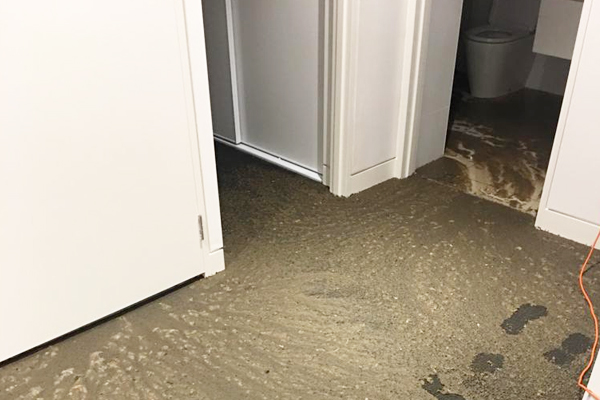
A sewage backup is more than a water damage problem. Sewage and contaminated water may contain bacteria, microorganisms, waste, chemicals, and other potentially hazardous materials that require appropriate cleanup procedures.
United Fire & Water provides professional sewage cleanup, contaminated water removal, water extraction, structural drying, cleaning, sanitizing, and restoration services for residential and commercial properties throughout Southeast Louisiana.
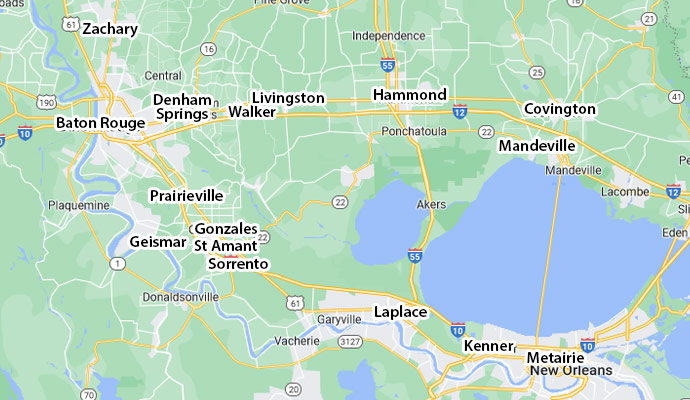
Our restoration crews serve the Baton Rouge, Greater New Orleans, and Covington/Northshore markets, including Denham Springs, Prairieville, Gonzales, Zachary, Central, Walker, New Orleans, Metairie, Kenner, Gretna, LaPlace, Luling, Covington, Mandeville, Madisonville, Slidell, Hammond, Ponchatoula, and surrounding Southeast Louisiana communities.
If your home or business has experienced a sewage backup or contaminated water loss, avoid unnecessary contact with the affected area and call 225-401-6568 or contact United Fire & Water online for professional restoration assistance.
Why Sewage Damage Requires Professional Cleanup
Sewage losses are different from many ordinary plumbing leaks because contaminated water may affect flooring, drywall, cabinets, contents, insulation, subfloors, and other porous building materials.
Simply removing the visible water may not be enough. A professional sewage restoration project may require water extraction, containment, removal of contaminated materials, cleaning, sanitizing, structural drying, moisture monitoring, and odor-control procedures.
Occupants should avoid direct contact with sewage and heavily contaminated water whenever possible. Children, pets, employees, customers, and other occupants should be kept away from affected areas until appropriate cleanup has been completed.
Common Causes of Sewage Backups & Contaminated Water Damage
Sewage and contaminated water losses can occur for many reasons. United Fire & Water responds to situations including:
- Sewer line backups
- Toilet backups and overflows
- Drain line blockages
- Broken sewer lines
- Septic system backups
- Commercial restroom overflows
- Wastewater backups
- Plumbing system failures
- Contaminated drain water
- Storm-related sewage intrusion
- Floodwater entering a structure
- Long-standing contaminated water
Understanding Water Damage Categories
Restoration professionals classify water losses based on the level and type of contamination present. The condition of the water, affected materials, time, temperature, and surrounding environment can influence how a loss is evaluated.
Category 1 Water
Category 1 water originates from a source that does not initially present a significant contamination concern. Examples may include a broken potable water supply line or certain plumbing leaks.
Category 1 water can deteriorate in quality after contact with contaminants or when water remains in a structure for an extended period.
- May originate from a clean water source
- Can migrate into surrounding building materials
- Conditions may change as time passes
Category 2 Water
Category 2 water contains a significant level of contamination and may cause illness or discomfort if contacted or consumed.
Examples can include certain appliance discharges, washing machine overflows, or other water containing biological or chemical contamination.
- Contains a greater level of contamination than Category 1 water
- May require additional cleaning and removal procedures
- Conditions can deteriorate if the loss is not addressed
Category 3 Water – Sewage & Grossly Contaminated Water
Category 3 water is grossly contaminated water that may contain pathogenic, toxic, or other harmful agents. Sewage backups are commonly treated as Category 3 water losses.
Examples may include sewage, wastewater containing fecal matter, certain drain backups, and some types of floodwater entering a building.
- Sewage and wastewater backups
- Water containing fecal contamination
- Certain storm and floodwater intrusion
- Water with significant biological contamination
Because Category 3 water presents increased contamination concerns, affected porous materials may require removal rather than simple drying.
Our Sewage Cleanup & Restoration Process
Every contaminated water loss is evaluated individually. Depending on conditions at the property, the restoration process may include:
-
Safety Assessment
Our team evaluates the affected areas, source of the loss, type of water involved, and potential hazards. -
Containment
Containment may be established to help separate affected areas from unaffected portions of the property. -
Contaminated Water Removal
Standing sewage or contaminated water is extracted using appropriate professional equipment. -
Removal of Unsalvageable Materials
Certain porous materials that have been heavily contaminated may require removal and disposal. -
Cleaning & Sanitizing
Salvageable surfaces are cleaned and treated using procedures appropriate for the conditions of the loss. -
Structural Drying
Professional drying and dehumidification equipment may be installed after contaminated materials and water have been addressed. -
Moisture Monitoring
Moisture conditions can be monitored throughout the drying process to document progress. -
Reconstruction & Repairs
When drywall, flooring, cabinets, insulation, or other materials must be removed, United Fire & Water can also provide property repairs and reconstruction.
What Should You Do After a Sewage Backup?
- Keep people and pets away. Limit access to areas affected by sewage or contaminated water.
- Avoid direct contact. Do not walk through sewage-contaminated areas unnecessarily.
- Avoid electrical hazards. Do not enter standing water when outlets, appliances, electrical equipment, or wiring may be affected.
- Stop the source when it can be done safely. Contact a plumber, utility provider, or other appropriate professional when necessary.
- Do not use household cleaning equipment. Household vacuums and ordinary cleaning methods may not be appropriate for contaminated water losses.
- Contact a restoration professional. Significant sewage contamination should be professionally evaluated.
What NOT to Do After Sewage Damage
- Do not use a household vacuum to remove sewage water
- Do not use fans to blow contaminated air throughout the property
- Do not handle contaminated materials unnecessarily
- Do not allow children or pets into the affected area
- Do not use electrical appliances in standing water
- Do not assume flooring or walls are dry because the surface appears dry
- Do not attempt significant sewage cleanup without appropriate protection
- Do not reuse heavily contaminated porous materials without professional evaluation
Sewage Water Extraction & Structural Drying
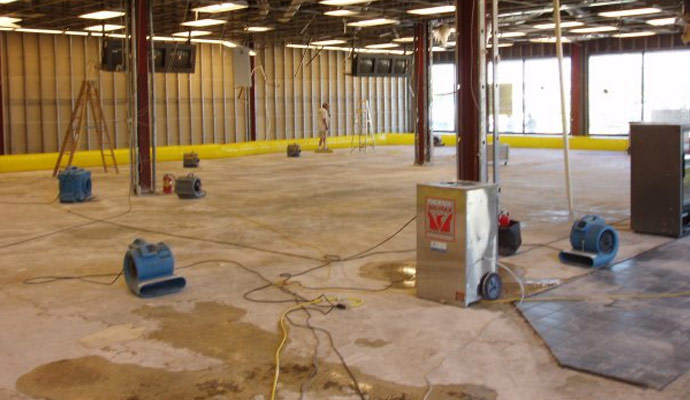
After contaminated water and unsalvageable materials have been addressed, moisture may still remain inside flooring systems, wall assemblies, framing, cabinets, concrete, and other building materials.
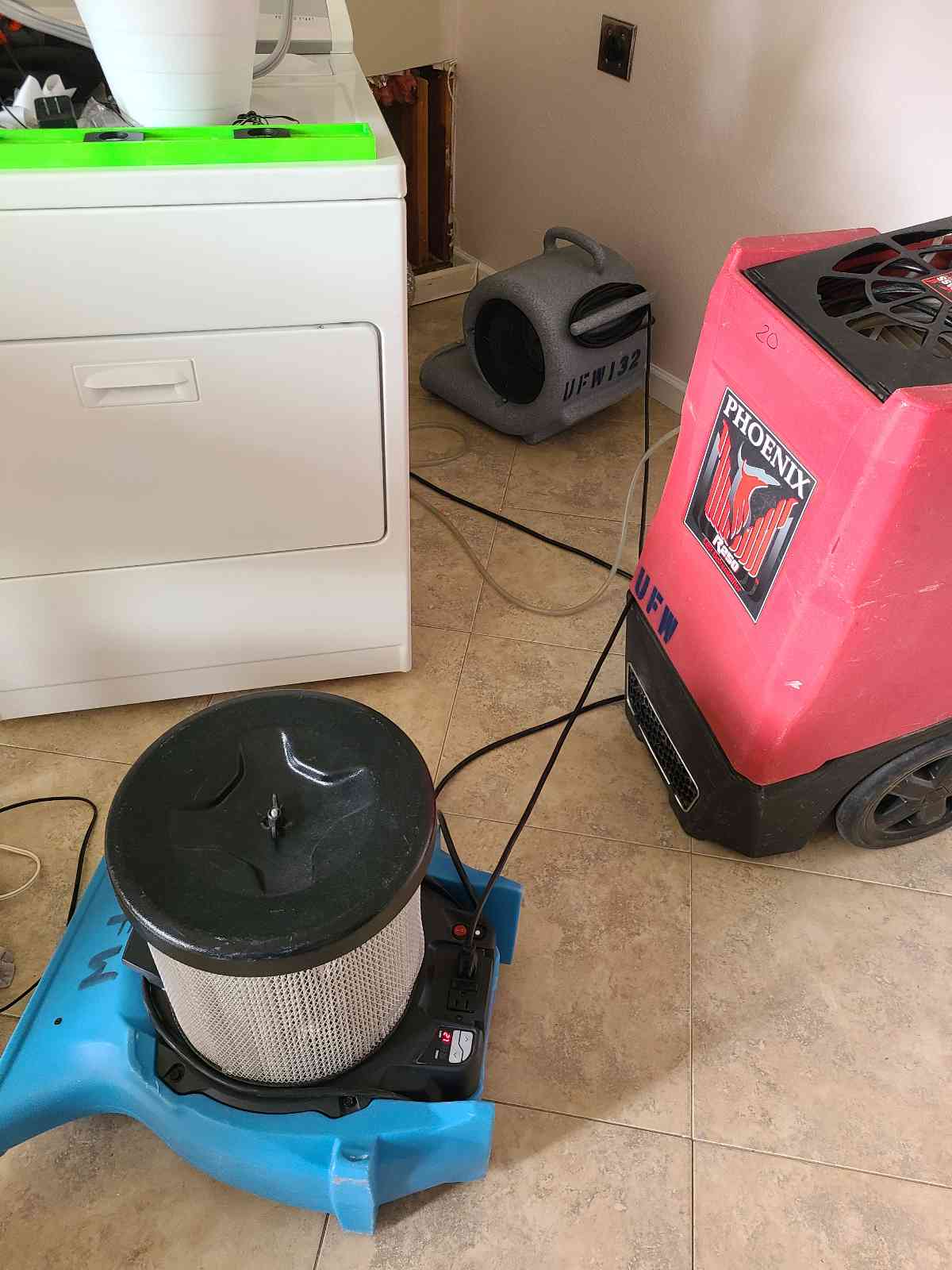
United Fire & Water provides professional water extraction and structural drying using moisture-detection equipment, air movement, dehumidification, and ongoing moisture monitoring when appropriate.
Sewage Damage, Moisture & Mold
Sewage backups frequently create elevated moisture conditions in addition to contamination concerns. If affected materials remain wet, conditions may become favorable for mold growth.
United Fire & Water is a Louisiana-licensed mold remediation company and can provide professional mold remediation when mold is discovered during a sewage or water damage project.
Commercial Sewage Cleanup
Sewage backups at commercial properties can create serious operational problems and may require rapid containment and cleanup.
United Fire & Water provides commercial sewage and water damage restoration for offices, restaurants, retail properties, multifamily buildings, hotels, schools, healthcare facilities, industrial properties, warehouses, and other commercial buildings.
Commercial restoration projects may require additional equipment, manpower, containment, documentation, contents protection, project management, and coordination with property managers or facility personnel.
Repairs After Sewage Damage
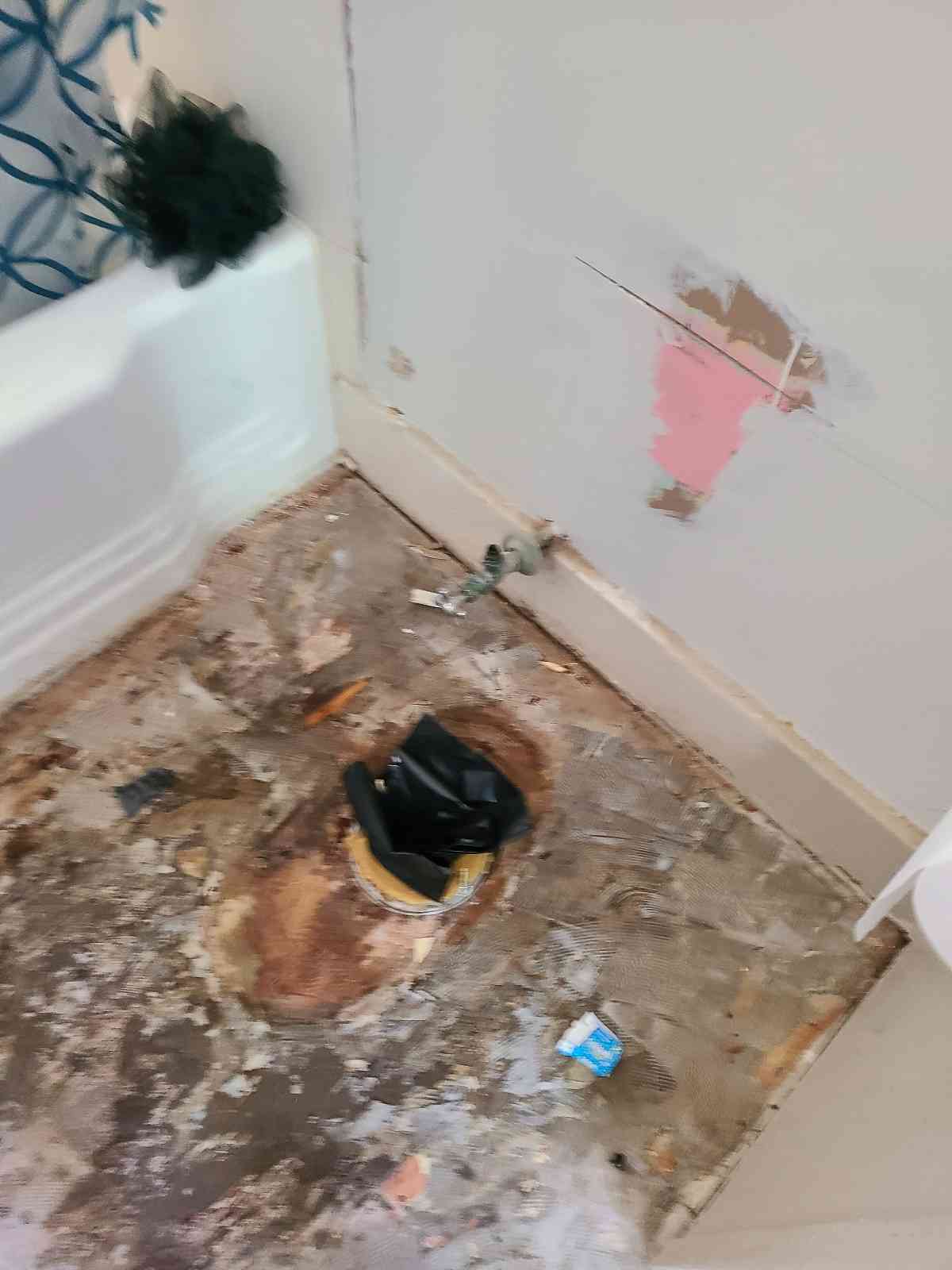
Sewage contamination can require the removal of drywall, flooring, baseboards, cabinets, insulation, and other porous building materials.
United Fire & Water can manage both the emergency cleanup and the reconstruction required afterward, providing property owners with one restoration company from initial mitigation through final repairs.
Sewage Damage & Insurance Documentation
Some sewage and water damage losses involve a property insurance claim. United Fire & Water can document affected areas, restoration activities, equipment usage, moisture conditions, and services performed.
Coverage for sewer backups, drain backups, plumbing losses, and contaminated water varies by policy. Property owners should contact their insurance carrier for information about their specific coverage.
Insurance coverage decisions and policy interpretation remain the responsibility of the insurance carrier.
Sewage Cleanup Across Southeast Louisiana
United Fire & Water provides residential and commercial sewage cleanup and contaminated water restoration throughout our primary Southeast Louisiana markets.
Sewage Cleanup in the Baton Rouge Area
Our Baton Rouge-area restoration team serves Baton Rouge, Denham Springs, Prairieville, Gonzales, Zachary, Central, Walker, Shenandoah, and surrounding communities.
Sewage Cleanup in Greater New Orleans
We provide sewage backup cleanup and contaminated water removal throughout New Orleans, Metairie, Kenner, Gretna, LaPlace, Luling, and surrounding Greater New Orleans communities.
Sewage Cleanup in Covington & the Northshore
Our Northshore service area includes Covington, Mandeville, Madisonville, Slidell, Hammond, Ponchatoula, and surrounding communities.
Visit our Louisiana service area for additional communities served by United Fire & Water.
Sewage Cleanup FAQs
Is a sewage backup an emergency?
Sewage backups should be addressed promptly because contaminated water can affect building materials and create sanitation concerns. Occupants should avoid unnecessary contact with affected areas.
Can I clean up a sewage backup myself?
Small isolated incidents may differ from large losses, but significant sewage contamination can require specialized protective equipment, extraction, material removal, cleaning, sanitizing, and structural drying.
Does sewage-soaked drywall need to be removed?
Some porous materials affected by Category 3 water may not be appropriate for cleaning and reuse. The appropriate action depends on the material, extent of contamination, and conditions of the loss.
Can sewage damage cause mold?
Sewage losses can create elevated moisture conditions. If building materials remain wet, conditions may become favorable for mold growth.
Can United Fire & Water clean commercial sewage backups?
Yes. United Fire & Water provides sewage and contaminated water cleanup for both residential and commercial properties.
Can you repair my property after sewage cleanup?
Yes. When contaminated or damaged building materials must be removed, United Fire & Water can also provide reconstruction and repairs.
Do you provide 24/7 sewage cleanup?
United Fire & Water provides 24/7 emergency restoration response throughout our Southeast Louisiana service area.
Need Emergency Sewage Cleanup?
If your home or business has experienced a sewer backup, toilet overflow, drain backup, wastewater intrusion, or another contaminated water emergency, contact United Fire & Water.
We provide professional sewage cleanup throughout Baton Rouge, Greater New Orleans, Covington, the Northshore, and surrounding Southeast Louisiana communities.
24/7 Emergency Sewage Cleanup: 225-401-6568
Other pages you may be interested in...